
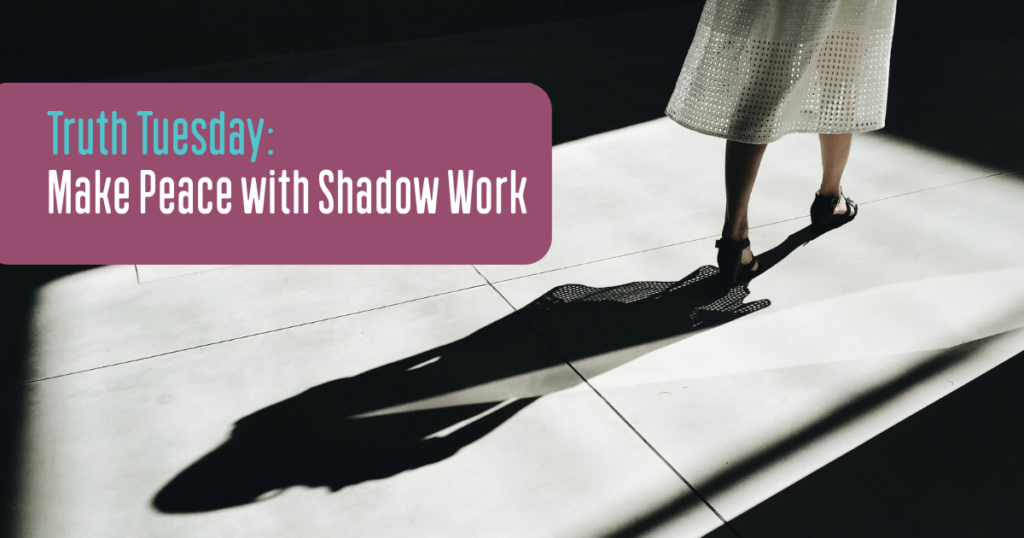
Making Peace With the Shadow You’d Rather Not Look At.
Recovery asks you to face a lot of things head-on. But there’s a quieter, harder kind of work underneath all of it. It’s the work of looking at the parts of yourself you’ve spent years trying not to see.
That’s shadow work. And it’s not about digging up pain for its own sake. It’s about finally turning the light on rooms you’ve kept the door shut on.
What “Shadow” Actually Means
The idea comes from psychology, not recovery specifically, but it fits recovery almost perfectly. Your “shadow” is everything about yourself you learned to hide, deny, or disown. This includes shame, anger, jealousy, the traits that felt too dangerous or embarrassing to admit you had, among other hard feelings. Most of us didn’t choose to hide these parts. We learned to, usually early, usually because showing them cost us something.
In active addiction, the shadow often grows unchecked. It’s easier to numb a feeling than sit with what it’s trying to tell you. So by the time you get sober, there’s a backlog. It’s years of feelings that got buried instead of faced.
Why This Work Matters in Recovery
Sobriety removes the thing that used to keep the shadow quiet. That’s part of why early recovery can feel so loud internally. Old shame, old anger, and old grief all show up at once with nowhere left to hide.
Shadow work is the practice of meeting those parts on purpose, instead of being ambushed by them. Not to punish yourself for having them. To understand where they came from, and what they’ve actually been trying to protect you from all along.
What Shadow Work Can Look Like

– Journaling the feelings you’d normally push away — jealousy, resentment, pettiness, and asking what they’re really about
– Noticing things that activate you — the people or comments that get under your skin fastest often point straight at a hidden wound
– Talking it through with a therapist or sponsor — shadow work is heavy enough that it’s not meant to be done completely alone
– Getting curious instead of critical — the goal isn’t to hate the parts of you that showed up in the dark. It’s to understand them well enough that they stop running the show from the background
The Point Isn’t to Erase the Shadow
You’re not trying to become a person with no anger, no jealousy, no shame ever again. You’re trying to know those parts of yourself well enough that they don’t control you without your permission. Integration, not elimination.
The parts of you that hid the longest are often the ones with the most to teach you. What you needed back then, and what you still need now.
Have you done shadow work in your own recovery? Tell us what surprised you most about what you found.
Sometimes someone else’s journey is exactly what another person needs to read today. You can SHARE YOUR STORY HERE.
If you or someone you love is struggling with addiction, help is available. Contact us at 844-WIS-HOPE, fill out our pre-screen application here, or call SAMHSA’s National Helpline at 1-800-662-4357 (free, confidential, 24/7).