
Wisdom Wednesday. Boundaries get treated like a buzzword sometimes, tossed around without much weight behind them. Boundaries in recovery though, they’re not a buzzword. They’re one of the most practical tools available, and often one of the hardest to actually use.
What a Boundary Actually Is
A boundary isn’t a punishment or a wall. Boundaries in recovery are statements about what you need in order to stay well, and what you’re no longer willing to accept in order to keep someone else comfortable. That’s it. Not a weapon, not a test, just a line that protects something that matters.
For a lot of people in recovery, boundaries never got modeled growing up, or got punished when they tried to set them. Learning to hold one now is often learning a skill from scratch, not just reclaiming an old one.
Why Boundaries in Recovery Matter So Much
Addiction often grows in the space where boundaries were missing. Saying yes when you meant no. Staying in rooms that weren’t safe. Absorbing other people’s chaos as if it was yours to carry. Recovery asks you to reverse that pattern, and boundaries are the tool that makes it possible.
Without them, recovery becomes fragile. Every relationship, every obligation, every unspoken expectation has the power to pull you off course. With them, you get to decide what actually gets access to your time, energy, and peace.
What Boundaries Can Sound Like
Boundaries don’t need to be dramatic to be real:
- “I can’t talk about this right now, but I want to later”
- “I’m not going to be at that event this year”
- “I need you to not drink around me”
- “I love you, and I still need space from this conversation”
- “That doesn’t work for me”
None of these require an argument to back them up. A boundary is complete on its own.
The Hard Part: Boundaries in Recovery Upset People
Setting a boundary with someone used to you having none rarely goes smoothly at first. Expect pushback, guilt, or an attempt to negotiate the boundary away. That reaction isn’t proof the boundary was wrong. It’s often proof the boundary was necessary.
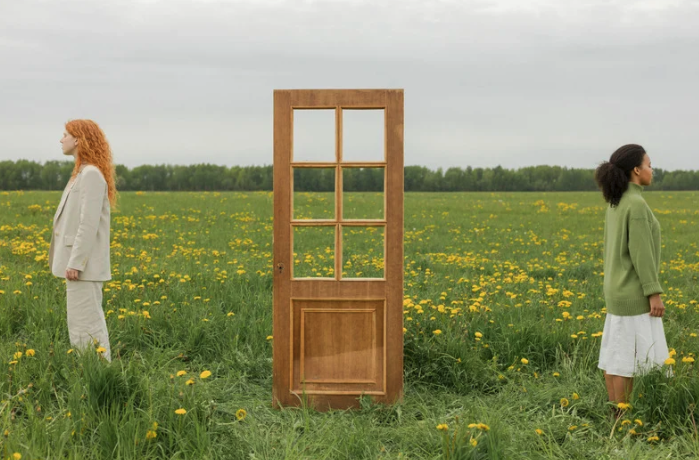
Holding your boundaries in recovery steady through that discomfort is its own kind of work, separate from, but just as important as, staying sober itself.
The Bigger Point
Boundaries aren’t about keeping people out. They’re about keeping your recovery intact long enough for the people who truly care about you to meet you on the other side of it. That’s not selfish. It’s survival, and eventually, it’s peace.
This isn’t just intuition. SAMHSA’s own advisory on family therapy in substance use treatment notes that positive family support is tied to long-term recovery, while negative dynamics, like unclear boundaries and ongoing conflict, work against it. If a boundary conversation with a loved one feels daunting, our Recovery Community Centers connect you with peer coaches who’ve navigated this firsthand.
What’s a boundary that’s protected your recovery? Tell us below.